HYMC I 21.66
NASDAQ: HYMC I 21.66
|
CHANGE: 1.77
|
VOL: 2,012,745

HYMC I 21.66
NASDAQ: HYMC I 21.66
|
CHANGE: 1.77
|
VOL: 2,012,745
home > Hycroft mine
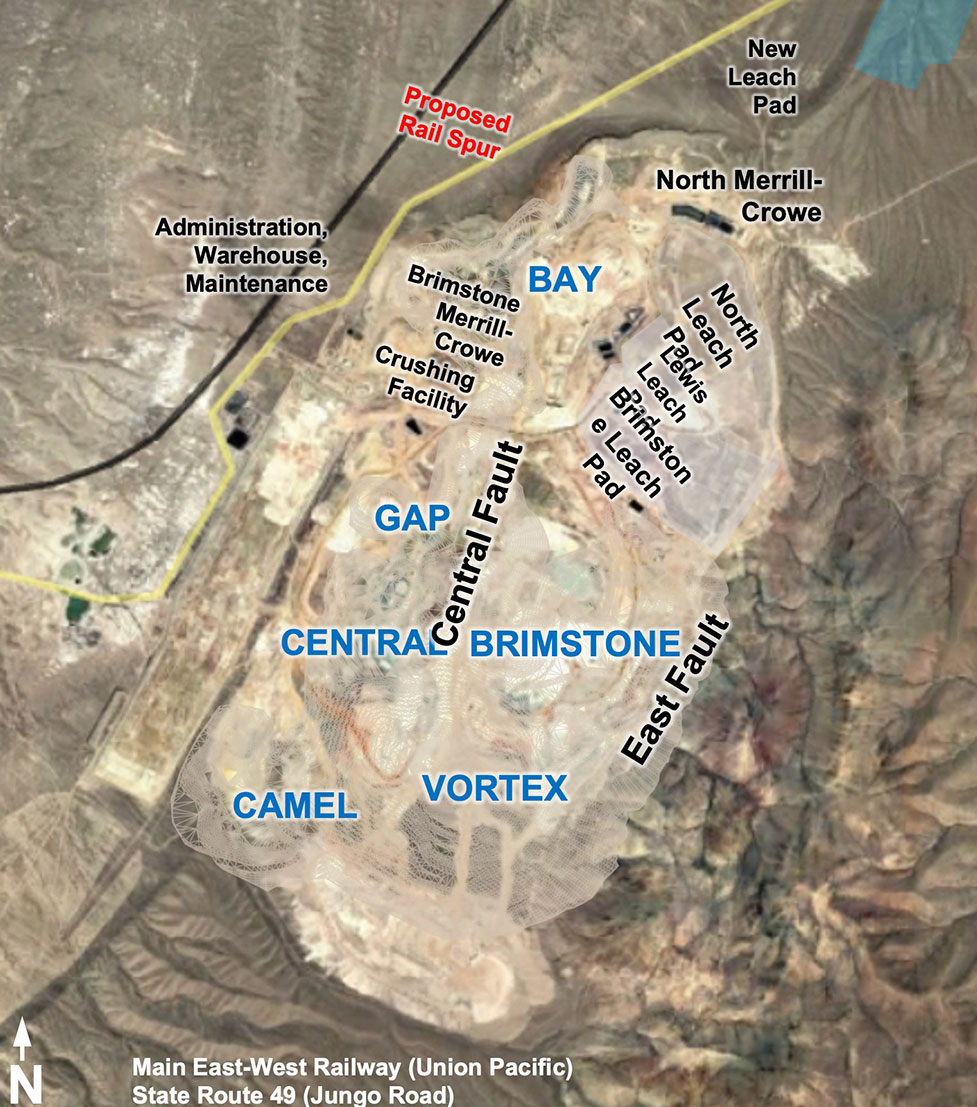
The Hycroft Mine is located on the western flank of the Kamma Mountains in the Basin and Range physiographic province of northwestern Nevada. The Kamma Mountains were formed during the Miocene to Quaternary Epoch from the uplift of Jurassic basement rock and emplacement of Tertiary volcanic and sedimentary rocks. The stratigraphy along the western flank of the range is down dropped to the west, along a series of north to northeast striking normal faults. These faults served as conduits for hydrothermal fluids that deposited the Hycroft mineralization.
Deposit type
Hycroft is a large, epithermal, low-sulfidation, hot-springs deposit.
Gold and silver mineralization occurs as both disseminated and vein-controlled.
The deposit is generally represented in six major zones based on geology, mineralization, and alteration. Breaks between the zones are major faults.
Brimstone
Vortex
Central
Bay
Gap
Camel
Mineralization at Hycroft has been deposited through multiple phases.
An early silica-sulfide flooding event deposited relatively low-grade gold and silver mineralization, generally along bedding. This mineralization is crosscut by later, steeply dipping quartz-alunite veins.
Late-stage silver-bearing veins are found in the Vortex zone and at depth in the Central area. Late-to-present supergene oxidation along faults has liberated precious metals from sulfides and further enriched gold and silver mineralization near the water table.
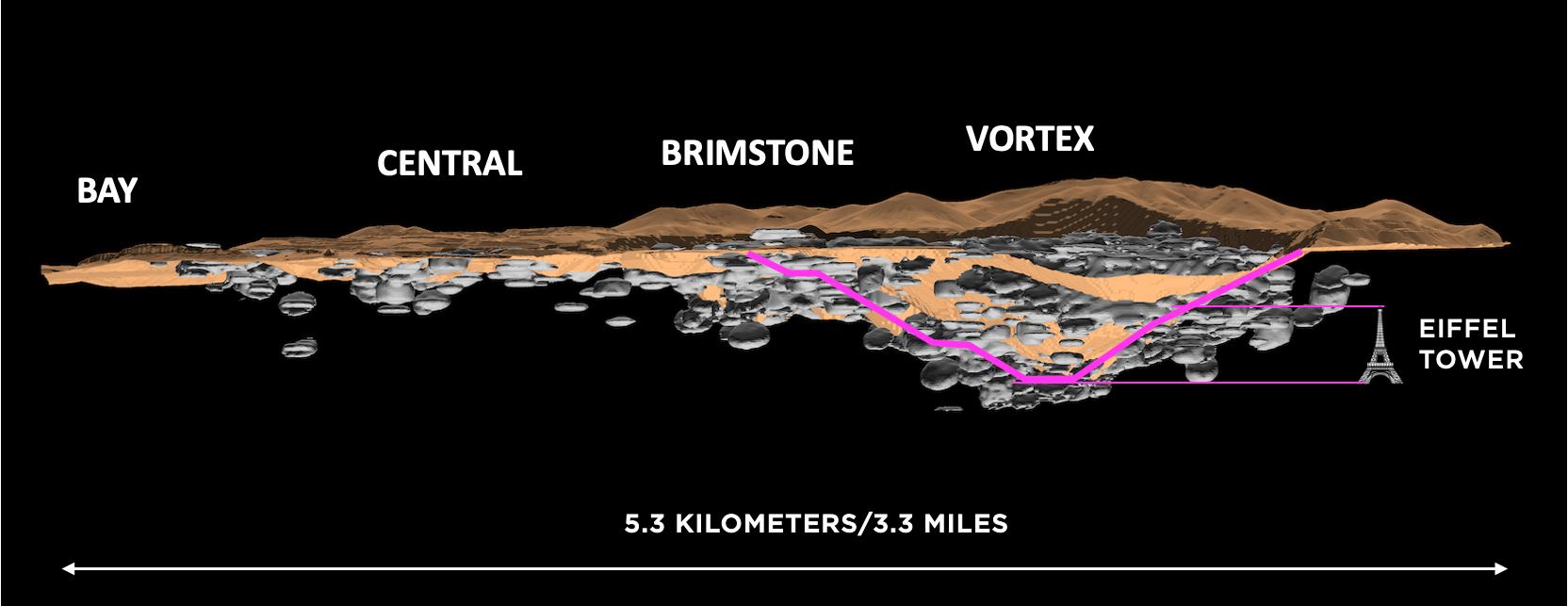
Silver: Additional Mineralization Beyond the Known Resource
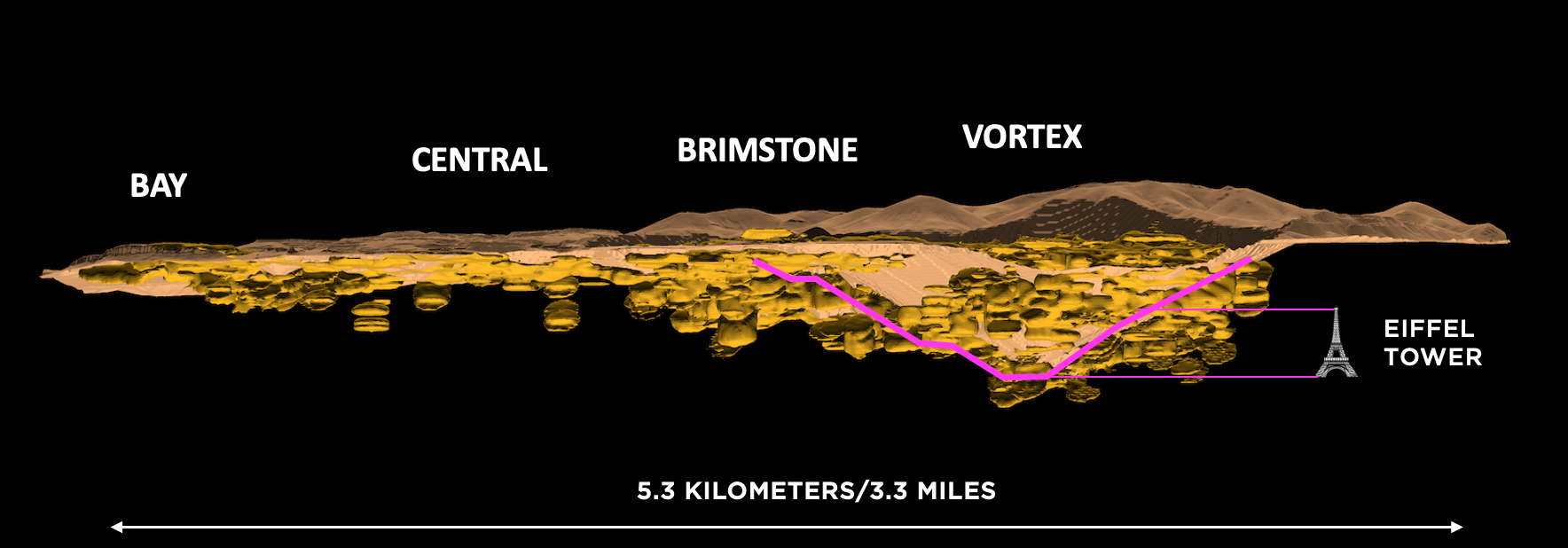
Gold: Additional Mineralization Beyond the Known Resource
Buy from a range of high quality shirts, jackets, hats, and other items, only available for sale in our online.